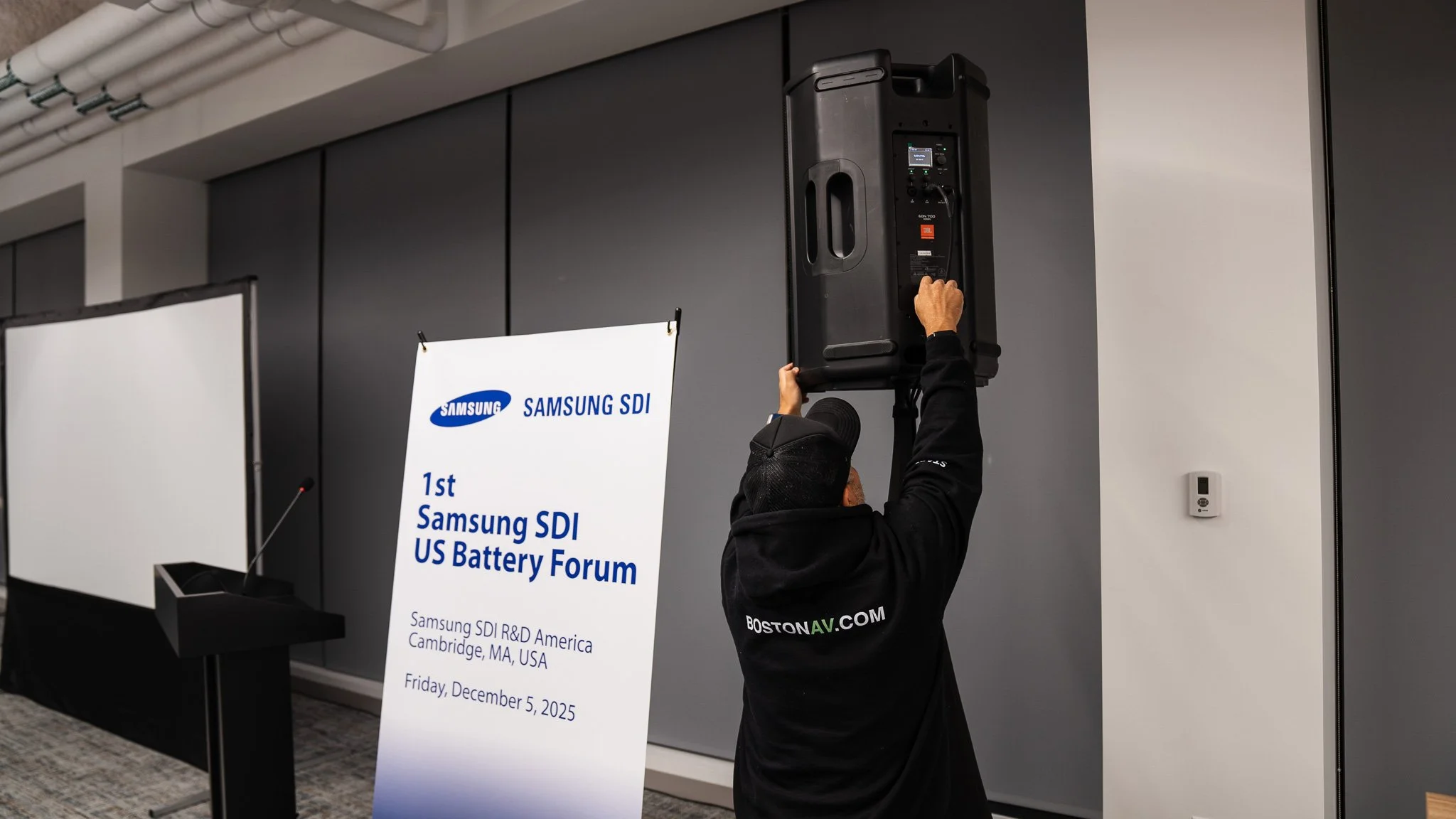
Streaming & Hybrid Event Production
Boston AV provides professional live streaming and hybrid event production for corporate, institutional, and academic clients. We manage technical planning, on-site production, and live broadcast for events that require reliability, clarity, and a polished viewing experience for both in-room and remote audiences.
Streaming is a live production environment that requires preparation, technical coordination, and experienced operators. Our approach prioritizes planning to ensure a controlled and dependable execution.
How a Live Streaming-Hybrid Event Works
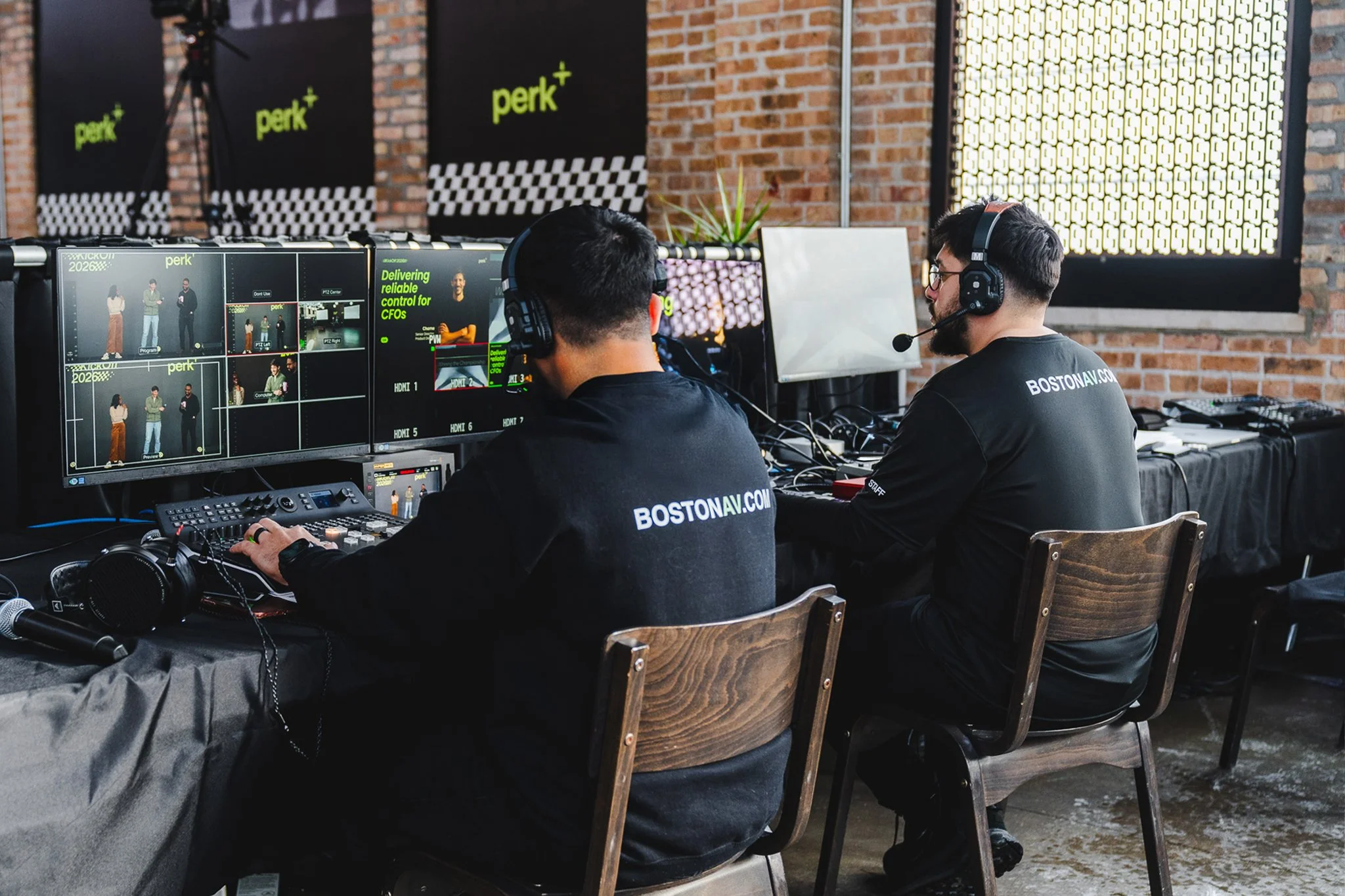
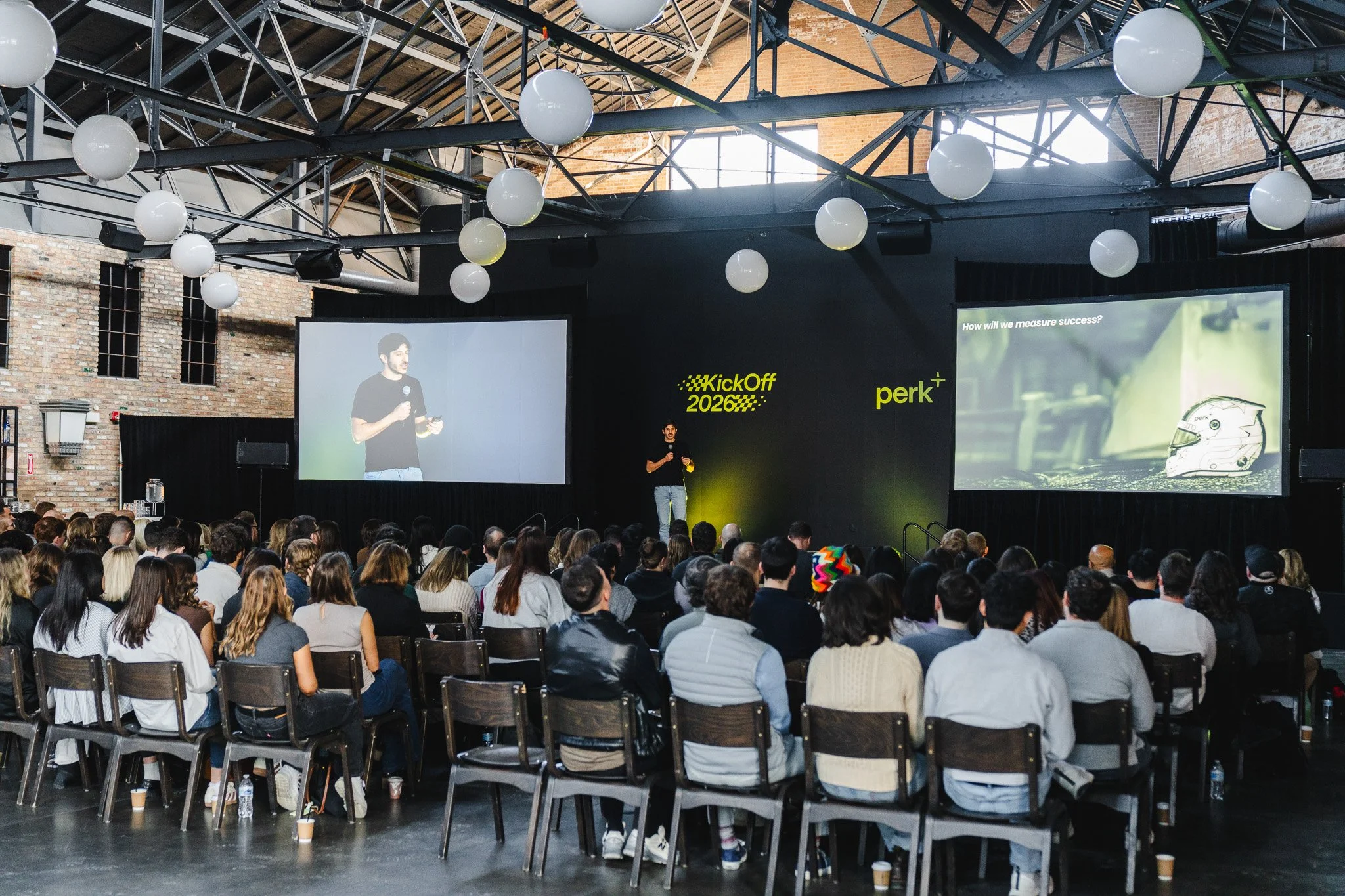
In a hybrid event, live audio and video produced on site are integrated directly with online platforms such as Zoom, YouTube, Google Meet, or private broadcast solutions. This allows remote participants to attend in real time while remaining fully connected to what is happening in the room.
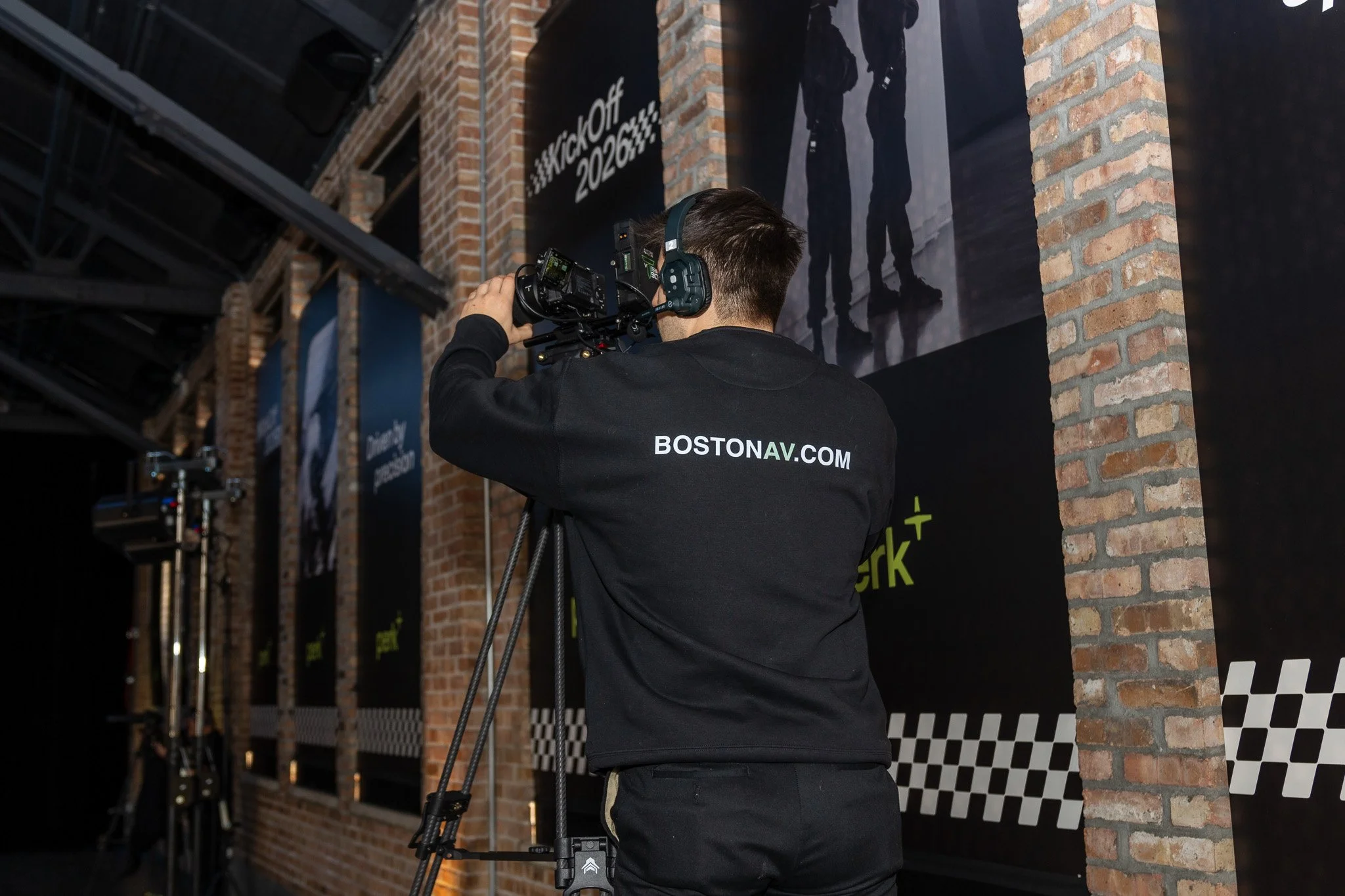
All audio sources from the physical event are professionally mixed and delivered both to the in-room sound system and to the live stream, ensuring clear speech, balanced levels, and consistent audio quality for both audiences. At the same time, video is captured using professional, high-resolution cameras and managed through a dedicated production workflow to deliver a clean, stable, broadcast-quality result.
Audio and video are treated as part of a unified production system rather than independent elements. Signals are monitored and managed in real time, allowing the technical team to maintain synchronization and respond immediately to any issues during the live broadcast.
This approach goes beyond basic webcam or laptop-based streaming, creating a unified experience where in-person and remote audiences engage with the same content at the same time, without compromise.
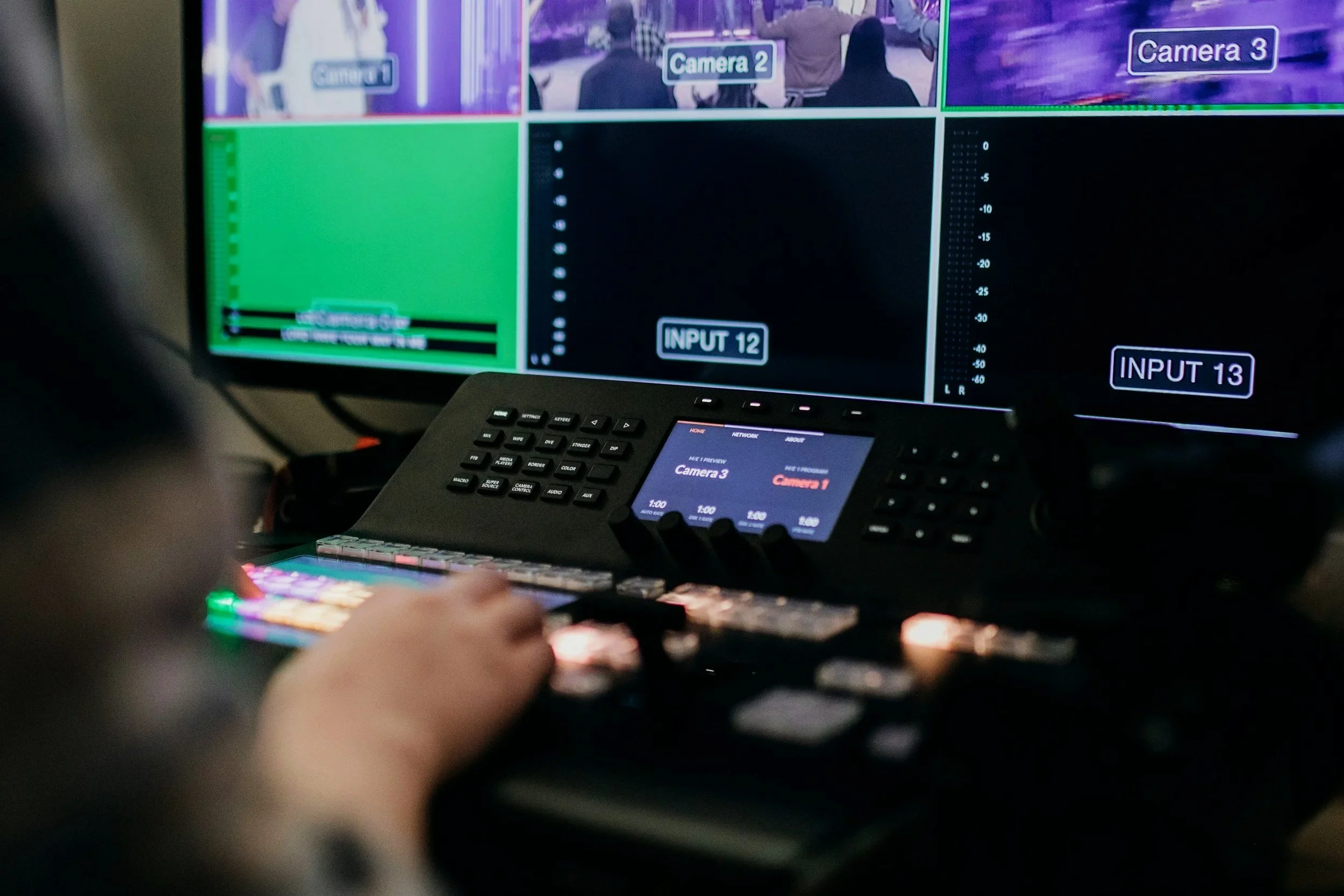

Steps to Coordinate a Live Streaming & Hybrid Event
Coordinating a live streaming or hybrid event requires more than adding cameras to a room. The process begins by defining the event format, audience type, and streaming platform, followed by a technical review of the venue to confirm internet reliability, room layout, and audio coverage.
Once the technical scope is defined, audio and video workflows are designed to support both in-room and remote audiences. This includes planning microphone distribution, camera placement, video switching, and a dedicated audio mix for the live stream.
Prior to the event, testing and rehearsals are conducted to verify signal flow, platform connectivity, and presenter readiness. On the event day, a technical team manages the production in real time to ensure a stable broadcast and a consistent experience for all participants.